
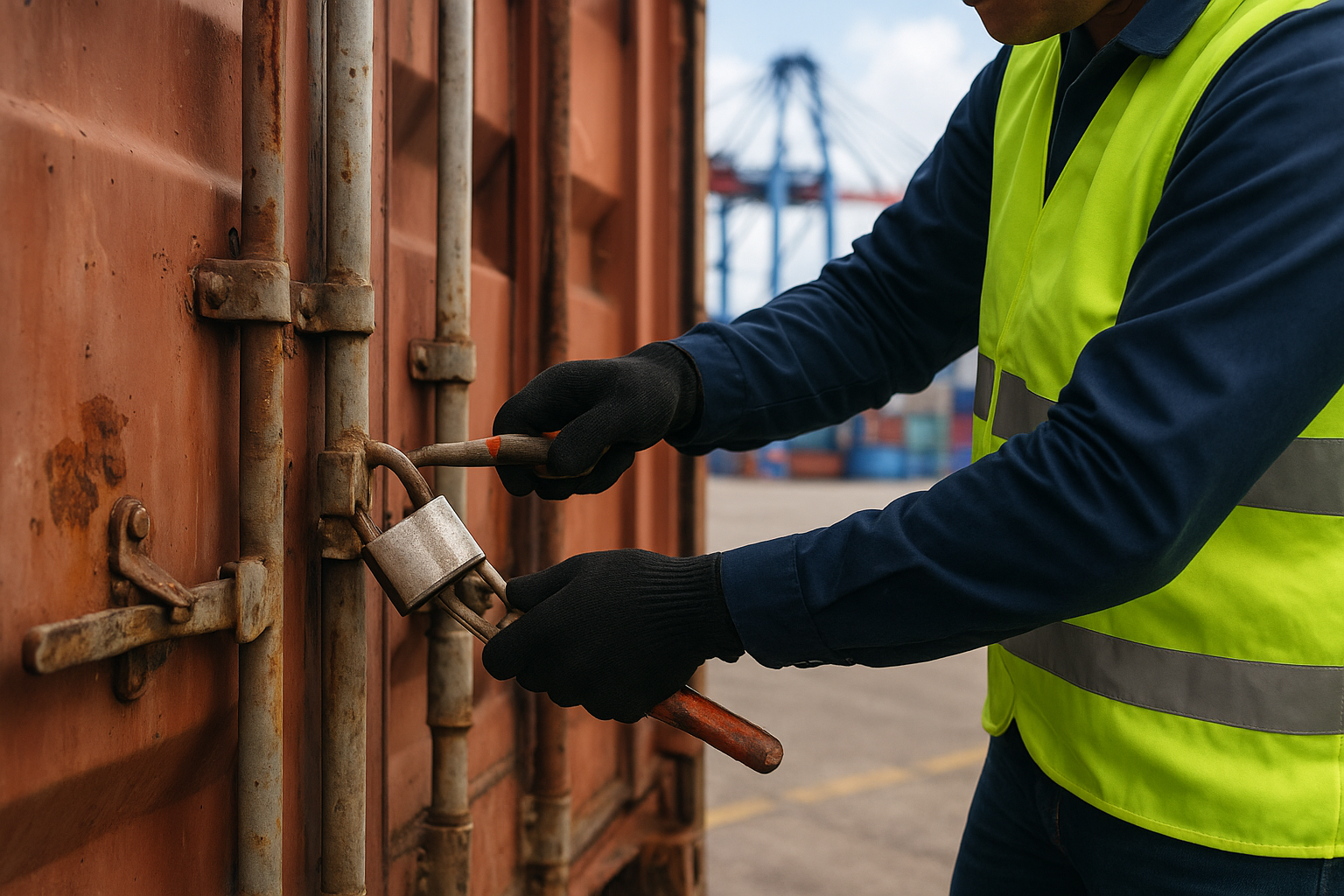
Cargo security is evolving fast. In a world where global trade moves millions of containers and shipments every day, keeping cargo secure is more important than ever. Traditional seals helped secure containers and trucks, but they revealed little more than tampering after it happened. The future of cargo security lies with smart technology that prevents threats before they disrupt supply chains. Smart cargo security seals are at the forefront of this transformation.
One brand leading innovation in this space is Red Flag electronic seals. These advanced security devices combine physical sealing with digital intelligence. Instead of simply indicating a broken seal, smart seals can communicate real-time information about the status of cargo throughout its journey. This shift brings security benefits as well as operational efficiency gains.
How Smart Cargo Seals Work
Smart cargo security seals are electronic devices that attach to cargo doors, containers, and other secure points. They include sensors, communication modules, and power sources that allow them to send information to central tracking systems. When a seal is applied, it not only secures the cargo physically but also enters an active monitoring mode.
These seals detect tampering attempts and send alerts immediately. They can log environmental data such as temperature changes, vibration events, or unauthorized access. With cloud connectivity, these logs are available to authorized stakeholders anywhere at any time. Red flag electronic seals are among the products that deliver this kind of visibility. They are designed to integrate with supply chain management systems for seamless monitoring.
Real Time Alerts and Supply Chain Visibility
Traditional seals are limited. Cargo could be accessed days or weeks before it reached its destination, and no one would know until inspection. Smart seals eliminate this blind spot. If a container door is opened unexpectedly, the system generates an alert. This triggers a review by security or operations teams who can take action right away.
Real-time alerting enhances response times and improves risk management. Logistics managers can adjust routes, notify partners, or even halt deliveries when needed. For high-value and sensitive shipments, this capability is especially valuable. Shippers of pharmaceuticals, electronics, or luxury goods can reduce losses and guarantee cargo integrity.
The data provided by smart cargo security seals also improves transparency. Carriers, brokers, and customers all gain access to shipment status. This encourages collaboration and trust across the entire supply chain.
Integration With Internet of Things Networks
The rise of the Internet of Things is reshaping logistics. Devices that once operated independently are now connected to networks that share data and automate decision-making. Smart seals fit perfectly into this landscape. They connect with sensors on trucks, warehouses, and ports to create a comprehensive picture of cargo conditions.
Technology like GPS, cellular communication, and low-power wide-area networks makes it possible for cargo seals to remain connected even in remote locations. Integration with transportation management software ensures that alerts flow into existing workflows. Teams do not need to adopt completely new platforms to benefit from smart seal data.
Improving Compliance and Security Standards
Regulatory bodies around the world are tightening cargo security standards. Smart cargo security seals help businesses comply with these evolving requirements. For example, customs agencies can require electronic verification of cargo integrity. Smart seals provide auditable records that satisfy these mandates.
Data from smart seals also supports internal security policies. Companies can track seal application times, monitor the chain of custody, and generate reports for audits. This reduces risk during inspections and improves trust with regulatory partners.
Cost Benefits and Operational Efficiency
While smart cargo security seals require a technology investment, they deliver long-term cost benefits. Reduced theft and tampering mean fewer financial losses. Fewer manual inspections save labor hours. Enhanced visibility lowers insurance costs because carriers can demonstrate proactive risk management.
Smart seals also reduce disputes between carriers and customers. When both parties have access to the same data, it is easier to resolve questions about cargo condition and handling.
Looking Ahead
The future of smart cargo security seals is bright. As technology advances further, these devices will become even more capable. Artificial intelligence could analyze seal data to predict threats before they arise. Blockchain could secure data records for tamper-proof logging that all partners trust. These innovations will make global supply chains more secure and efficient.
In this landscape, products like Red flag electronic seals will play a central role. They represent the shift from passive security devices to active monitoring partners that empower businesses to protect their cargo around the world. Smart cargo security seals are no longer a luxury. They are a necessity in a connected global economy.